
What is a Contract Notice Period?
A contract notice period is the amount of time one party must provide written notice before taking an action such as terminating, renewing, or modifying a contract.
A contract notice period typically specifies:
- When notice must be given (for example 30, 60, or 90 days before termination)
- What action the notice applies to (termination, renewal, amendment)
- How the notice must be delivered (email, certified mail, electronic notice)
- Who must receive the notice (a specific role, department, or address)
If any of these requirements are not met, the notice may be considered invalid under the contract.
Examples of contract notice periods include:
- A 30-day notice period to terminate a vendor agreement
- A 60-day notice period to opt out of an auto-renewing SaaS contract
- A 90-day notice period before pricing changes take effect
This guide explains what a contract notice period is, how it works in practice, where organizations struggle, and how notice periods should be managed at scale.
Where Notice Periods Commonly Appear in Contracts
Notice periods are typically found in clauses related to:
- Termination for convenience
- Termination for cause
- Non-renewal or opt-out of auto-renewal
- Contract amendments
- Pricing changes or service modifications
In many agreements, notice periods are embedded deep within the contract language, making them easy to overlook.
Why Contract Notice Periods Are Important
Notice periods exist to give both parties time to prepare for change. From an operational perspective, they protect predictability and fairness.
However, when notice periods are missed or misunderstood, the consequences can be significant:
- Contracts renew automatically under unfavorable terms
- Organizations lose leverage in renegotiations
- Termination rights are delayed
- Legal disputes arise over improper notice
For enterprise organizations managing hundreds or thousands of contracts, these risks compound quickly.
What Are Common Types of Contract Notice Periods?
1. Termination notice periods
Termination clauses often require notice well in advance of the desired termination date. Failure to provide notice within the specified window can extend the contract term.
2. Auto-renewal notice periods
Auto-renewal clauses frequently require notice of non-renewal before a specific deadline. Missing this deadline may lock an organization into another full term.
3. Change and amendment notice periods
Some contracts require advance notice before changes to pricing, scope, or services can take effect.
Each scenario requires different tracking and ownership, increasing complexity.
Why Do Organizations Miss Contract Notice Deadlines?
Despite their importance, notice periods are one of the most commonly missed contractual requirements.
Common reasons include:
- Notice periods captured in documents but not tracked as data
- Manual tracking using spreadsheets or calendars
- Unclear ownership between Legal, Procurement, and the business
- Amendments that modify notice terms without visibility
As contract volume increases, manual methods become unreliable.
The Operational Impact of Missed Notice Periods
Missed notice periods rarely result in immediate failure. Instead, they create downstream operational and financial consequences.
Examples include:
- Unplanned spend due to unintended renewals
- Delayed vendor exits
- Reduced negotiating leverage
- Increased legal review and remediation effort
These issues often surface only after damage has been done.
Download E-Book: Understanding Contract Lifecycle Management
Learn More
Notice Periods and the Contract Management Lifecycle
Notice periods are not isolated obligations. They are part of the broader contract lifecycle.
Effective management requires:
- Capturing notice periods as structured metadata
- Linking notice periods to renewal and expiration dates
- Updating notice requirements when contracts are amended
- Alerting stakeholders well in advance of deadlines
Without lifecycle awareness, notice periods become invisible.
How Technology Supports Notice Period Management
Contract lifecycle management software helps organizations manage notice periods systematically.
They support:
- Centralized storage of executed contracts
- Structured capture of notice period requirements
- Automated reminders and alerts
- Clear ownership and accountability
This reduces reliance on manual tracking and institutional knowledge.
A Microsoft 365 Perspective
Many organizations manage contracts within Microsoft 365 environments, using tools like SharePoint for document storage.
While familiar, this approach often relies on manual reminders or ad hoc processes to manage notice periods.
Layering structured contract lifecycle management on top of Microsoft 365 helps organizations maintain control while preserving existing workflows and security models.
Best Practices for Managing Contract Notice Periods
Organizations that manage notice periods effectively tend to:
- Standardize how notice requirements are captured
- Assign clear responsibility for providing notice
- Track notice periods alongside renewal terms
- Review notice requirements during contract changes
These practices reduce risk and improve predictability.
Final Thoughts
Contract notice periods are a small clause with outsized impact. Understanding how notice periods work—and managing them consistently across the contract lifecycle—is essential for reducing risk and maintaining control.
As organizations scale and contract volume grows, structured notice period management becomes increasingly important, particularly for organizations operating within Microsoft 365 environments.
Contracts 365 for Microsoft Users
Contracts 365 is the leading contract management software for Microsoft customers. With usability, functionality, and security at the forefront of development, Contracts 365 addresses all aspects of the contract lifecycle through a modern, intuitive interface specific to your users.
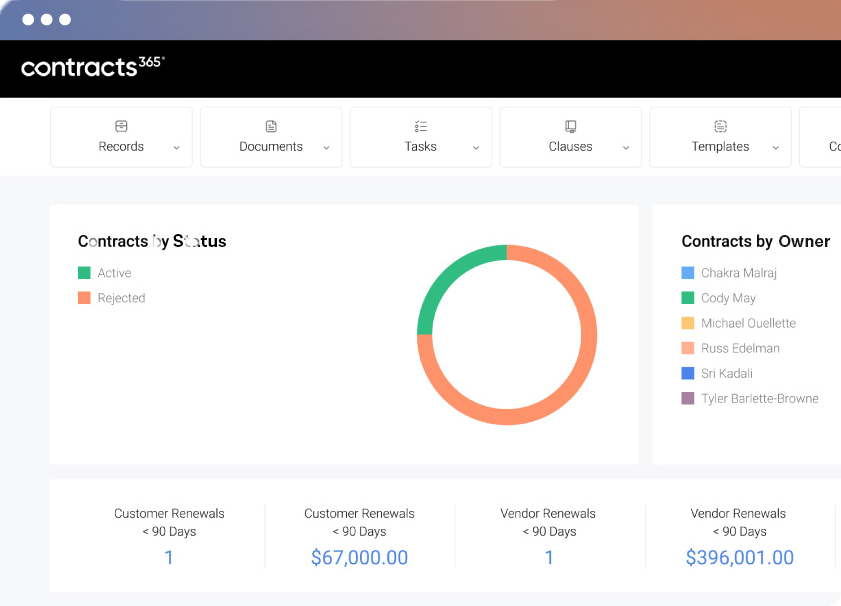
See how Contracts 365 automatically tracks notice periods, renewal windows, and amendment changes inside Microsoft 365. Request a demo and we can show you how it works in real-time.
FAQs:
What happens if you miss a contract notice period?
If you miss a contract period, you may lose termination rights or trigger automatic renewal under existing terms.
How much notice is required to terminate a contract?
The notice period required to terminate a contract is typically specified in the termination clause of the agreement. Many contracts require 30, 60, or 90 days’ written notice, although the exact timeframe depends on the negotiated terms.
Does email count as legal notice?
Email can count as legal notice under a contract only if the agreement explicitly lists email as an approved delivery method in the notice clause. Some contracts require certified mail, courier delivery, or electronic notice through a specific system.
What is an auto-renewal notice period?
An auto-renewal notice period is the deadline by which a party must notify the other that they do not intend to renew the contract. If notice is not provided before this deadline, the contract may automatically renew for another term.