
Auto-renewal clauses are designed to provide continuity. In practice, when they are not actively managed, they are one of the most common sources of unnecessary cost, risk, and frustration in contract management.
Many organizations only become aware of an auto-renewal after it has already taken effect—when a contract has quietly extended under outdated terms or unfavorable pricing. At that point, options are limited and leverage is often lost.
This article explains what auto-renewal clauses are, why they frequently go unmanaged, the operational impact of missed oversight, and how organizations can prevent unwanted renewals as contract volume grows.
Auto-Renewing Contracts: At a Glance
What are auto-renewing contracts?
Contracts that automatically extend for a new term unless notice of non-renewal is provided within a defined timeframe.
Why are auto-renewals risky?
They can lock organizations into unwanted agreements, outdated pricing, or unnecessary services if notice deadlines are missed.
Why are they often missed?
- Renewal terms are buried in contract language
- Notice periods are not tracked as structured data
- Ownership is unclear across teams
- Amendments change renewal terms without visibility
What are the most common impacts?
- Continued spend on unused or low-value services
- Loss of leverage in renegotiations
- Budget surprises and financial inefficiency
- Increased legal effort to unwind agreements
When should contracts be reviewed?
At least 60–90 days before the notice deadline, not the renewal date.
How can organizations prevent unwanted renewals?
- Track renewal terms and notice periods as metadata
- Set automated alerts ahead of deadlines
- Assign clear ownership for each contract
- Review contracts proactively as part of lifecycle management
What role does contract management software play?
It centralizes renewal tracking, automates alerts, and ensures contracts are reviewed before deadlines—turning renewals from reactive to controlled.
What Is an Auto-Renewal Clause?
An auto-renewal clause allows a contract to automatically extend for an additional term unless one party provides notice of non-renewal within a specified timeframe. Auto-renewal clauses typically define:
- The length of the renewal term
- The notice period required to opt out
- How notice must be delivered
- Any changes to pricing or terms upon renewal
When these clauses are not actively tracked, contracts can renew by default.
Why Auto-Renewals Are Missed
Auto-renewals are commonly missed because the conditions surrounding them are difficult to manage without structure. Here are four examples of why auto-renewals are missed.
1. Renewal terms are buried in contract language
Auto-renewal provisions are often embedded deep within agreements. Once a contract is signed and stored, those clauses are not revisited until renewal is imminent, or already passed.
2. Notice periods are not tracked as data
Non-renewal deadlines are frequently recorded informally, if at all. When notice periods live only inside documents, teams rely on memory, spreadsheets, or calendar reminders.
As contract volume increases, these methods fail.
3. Ownership is unclear
It is often unclear who is responsible for monitoring renewals. Legal may negotiate the clause, but the business may own the relationship, and procurement or finance may manage spend. Without clear accountability, renewals slip through the cracks.
4. Contract changes complicate renewal terms
Amendments may modify pricing, duration, or renewal structure. When those changes are not clearly reflected in renewal tracking, teams operate on outdated assumptions.
The Risks and Costs of Auto-Renewing Contracts
Unintended auto-renewals rarely cause immediate disruption. Instead, they create ongoing operational and financial consequences. Common impacts include:
- Continued spend on services no longer needed
- Contracts renewing under outdated or unfavorable pricing
- Lost leverage in renegotiations
- Budget surprises for finance teams
- Increased legal effort to unwind agreements
In some cases, auto-renewals can also trigger compliance or audit issues.
Why Auto-Renewals Become Riskier at Scale
As organizations grow, the number of contracts with auto-renewal clauses increases rapidly. At scale, challenges include:
- Multiple renewal cycles across departments
- Different notice periods and renewal terms
- Limited visibility into which contracts are approaching renewal
Without a centralized approach, renewals become reactive rather than strategic.
How to Manage Auto-Renewals Across the Contract Lifecycle
Auto-renewal management is a core post-signature responsibility. Effective lifecycle management requires:
- Capturing renewal terms and notice periods as structured metadata
- Linking renewal dates to alerts and workflows
- Reviewing contracts well in advance of renewal
- Updating renewal data when contracts are amended
Without lifecycle continuity, auto-renewals operate on autopilot.
How Contract Management Software Helps Prevent Unwanted Auto-Renewals
Contract management software systems help organizations bring visibility and control to renewal processes. They support:
- Centralized tracking of renewal terms
- Automated alerts for upcoming notice deadlines
- Clear ownership and review workflows
- Historical visibility into renewal decisions
This enables organizations to make informed decisions before renewal deadlines pass.
Manual Tracking vs. Contract Management Software for Renewals
| Approach | Risk Level | Scalability | Visibility |
|---|---|---|---|
| Spreadsheets | High | Low | Limited |
| Calendars | High | Low | Individual |
| SharePoint only | Medium | Medium | Unstructured |
| CLM software | Low | High | Full visibility |
AI Extraction Companion
The Contracts 365 AI Extraction Companion is an incredibly powerful tool that automatically identifies and extracts key data from contracts—all seamlessly integrated into the Contracts 365 platform. Download the eBook now
The Role of AI in Contract Renewal Management
AI can assist by identifying renewal clauses and notice periods within executed contracts, especially when reviewing large volumes of legacy agreements.
However, AI alone does not prevent unwanted renewals. Renewal decisions require human review, commercial context, and accountability.
AI is most effective when used to surface information that feeds governed renewal workflows.
Managing Auto-Renewals in Microsoft 365 Environments
Many organizations store executed contracts in Microsoft 365 environments, using tools like SharePoint for document management.
While familiar, these tools do not provide structured renewal oversight. Renewal dates and notice periods remain embedded in documents unless actively extracted and tracked.
Adding contract lifecycle management capabilities on top of Microsoft 365 helps organizations maintain visibility into renewals while preserving existing security and collaboration models.
Best Practices for Managing Auto-Renewals
Organizations that successfully manage auto-renewals tend to:
- Capture renewal terms and notice periods consistently
- Assign clear responsibility for renewal decisions
- Review contracts well before renewal deadlines
- Align renewal reviews with budgeting and planning cycles
These practices reduce risk and improve financial predictability.
Final Thoughts on Auto-Renewals
Auto-renewal clauses are not inherently problematic. The risk arises when they operate without oversight.
When renewals are tracked informally or reviewed too late, organizations lose control over cost, terms, and timing.
As contract volume increases, structured, lifecycle-aware renewal management becomes essential for maintaining control—particularly in Microsoft 365-based environments where contracts are widely accessed and relied upon.
Contracts 365: Microsoft-First Contract Management Software
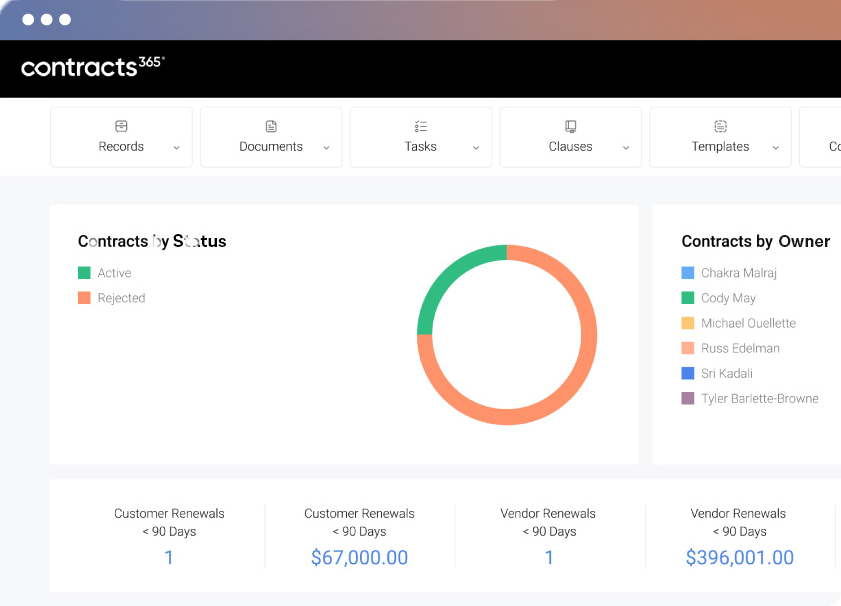
Modern contract management software like Contracts 365 helps organizations proactively manage renewals by tracking notice periods, automating alerts, and ensuring contracts are reviewed before deadlines pass.
If you’d like to see how this works within Microsoft 365, request a demo to explore real-world renewal workflows in action.
Frequently Asked Questions About Auto- Renewing Contracts
What happens if you miss an auto-renewal notice period?
If you miss the notice period, the contract typically renews automatically under the terms defined in the agreement. This may lock your organization into another term with limited ability to renegotiate pricing, scope, or termination rights until the next renewal window.
How far in advance should contracts be reviewed before renewal?
Best practice is to review contracts at least 60–90 days before the notice deadline, not the renewal date. This allows enough time to assess performance, evaluate alternatives, and make informed decisions before the opt-out window closes.
Can contract management software prevent unwanted auto-renewals?
Yes. Contract management software helps prevent unwanted renewals by tracking renewal terms and notice periods as structured data, sending automated alerts before deadlines, and assigning ownership for renewal decisions. This ensures contracts are reviewed before they renew.
Are auto-renewal clauses legally enforceable?
In most cases, auto-renewal clauses are legally enforceable if they are clearly defined in the contract. However, enforceability can depend on jurisdiction and specific regulations, particularly in consumer contracts or industries with strict disclosure requirements.
Why are auto-renewing contracts risky for businesses?
Auto-renewing contracts can lead to unnecessary costs, outdated pricing, and missed opportunities to renegotiate terms. Without proper oversight, organizations may continue paying for services they no longer need or lose leverage in vendor negotiations.
How can organizations track auto-renewal clauses effectively?
Organizations can track auto-renewals effectively by capturing renewal terms and notice periods as structured metadata, setting automated alerts, and assigning clear ownership for each contract. Centralized contract management software provides visibility across all upcoming renewals.